Amid artificial intelligence’s clamour, the discourse ranges from the delightfully absurd to the soberingly wise. Here are some of the most outlandish and refreshingly grounded reflections on AI from voices across the spectrum.
Hold up, folks! You’re going to love these! They are amazing, beautiful, classy, dazzling and eminently readable. And that’s an absolute understatement of Mel Brook’s proportions.
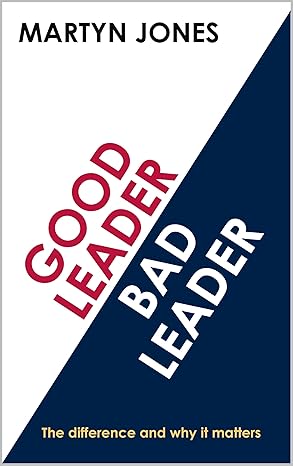
As a writer, I have several works to my name. This post highlights some of these works. It also offers a quick link to the Amazon platform, where you can get your editions.
Martyn Richard Jones, often referred to as “Mister Data,” is a renowned strategist, leader, and coach specializing in data, information, analytics, and artificial intelligence (AI). He offers expert advice on processing and utilizing business data to derive insights, reflect organizational performance, and develop data-supported responses to strategic challenges.
Choice modellingattempts to model the decision process of an individual or segment via revealed preferences or stated preferences made in a particular context or scenario. Typically, it attempts to use discrete choices (A over B; B over A, B & C) in order to infer positions of the items (A, B and C) on some relevant latent scale (typically “utility” in economics and various related fields).
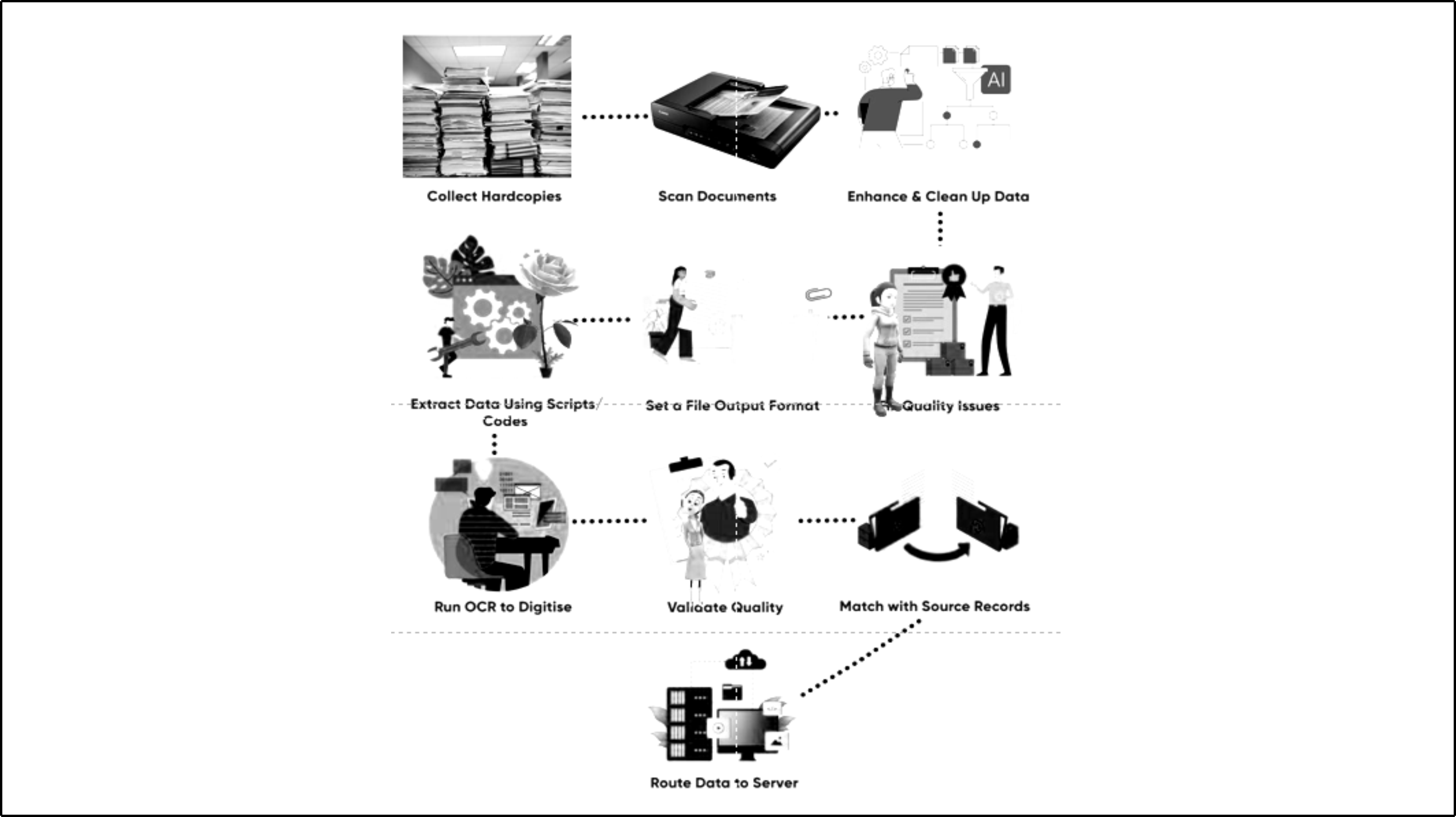
Automatic identification and data capture (AIDC) refers to the methods of automatically identifying objects, collecting data about them, and entering that data directly into computer systems (i.e. without human involvement). Technologies typically considered as part of AIDC include bar codes, Radio Frequency Identification (RFID), biometrics, magnetic stripes, Optical Character Recognition (OCR), smart cards, and voice recognition. AIDC is also commonly referred to as “Automatic Identification,” “Auto-ID,” and “Automatic Data Capture.” http://en.wikipedia.org/wiki/Automatic_identification_and_data_capture
Adaptive control is the control method used by a controller which must adapt to a controlled system with parameters which vary, or are initially uncertain. For example, as an aircraft flies, its mass will slowly decrease as a result of fuel consumption; a control law is needed that adapts itself to such changing conditions.
A/B testing is a way of comparing two versions of the same variable, usually by testing a subject’s response to variable A against variable B and determining which of the two variables is more effective. http://en.wikipedia.org/wiki/A/B_testing
Consider this: A company wants to increase the number of users who subscribe to their homepage newsletter. It’s a simple exercise in hypothesis (in this case, speculating) and testing. In this case, the company offers 50% of its users the old subscription page, and they provide the other 50% what they think will attract more subscriptions. They run the test, compare the statistics for the old page to the new page, and make their decisions based on that. A is the old page, and B is the proposed page. It’s that simple.








 GOOD STRATEGY