
Tags
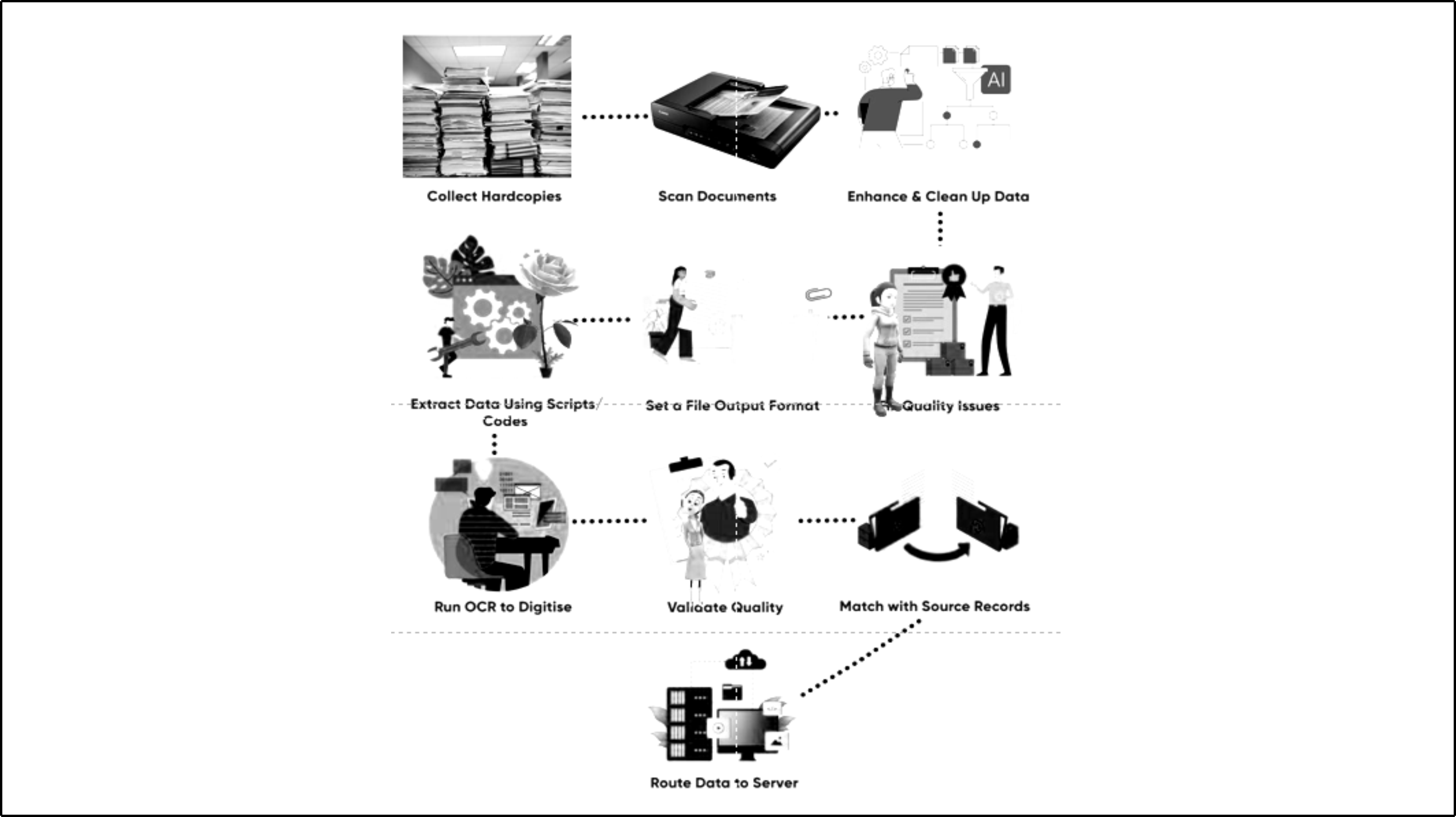
Automatic identification and data capture (AIDC) refers to the methods of automatically identifying objects, collecting data about them, and entering that data directly into computer systems (i.e. without human involvement). Technologies typically considered as part of AIDC include bar codes, Radio Frequency Identification (RFID), biometrics, magnetic stripes, Optical Character Recognition (OCR), smart cards, and voice recognition. AIDC is also commonly referred to as “Automatic Identification,” “Auto-ID,” and “Automatic Data Capture.”
http://en.wikipedia.org/wiki/Automatic_identification_and_data_capture
Consider this: Automatic Identification and Data Capture (AIDC) is a set of technologies and processes that enable the automatic identification of objects, the collection of data, and its direct entry into computer systems without human intervention. AIDC systems streamline data collection, minimize errors, and improve operational efficiency across all industries.
When to use: The best evidence to support the use of AIDC is provided with use cases; here are some examples:
Retail and e-commerce: Inventory management and stock tracking. Accelerated checkout with barcode and RFID systems.
Logistics and supply chain: Tracking shipments and goods in real-time. Ensuring proper routing and delivery.
Healthcare: Patient identification using barcode wristbands or RFID tags. Tracking medical equipment and medication.
Manufacturing: Monitoring production lines. Tracking raw materials and finished products.
Transportation: Collecting tolls using RFID systems. Identifying passengers for boarding using biometric systems.
Government and security: Biometric passports and secure identification systems. Border control and voter identification.
Banking and finance: Secure access to financial systems using smart cards. Automated check processing using OCR.
When not to use: When high costs don’t justify the expenditure, when you have low data volumes and low complexity, when you lack the technical expertise,when you have data protection and security concerns, where your organisation is resistant to change, where you don’t have the required infrastructure, for legal, regulatory and policy reasons, and, for limited requirements for scalability.
Strengths: High accuracy, increased efficiency, real-time data access, cost savings, scalability, cross industry versatility, improved security, enhanced customer experience, integration with advanced technologies, reduced administrative burden, environmental adapatabilkity, standardistaion, better resource allocation, reducation in bureaucracy, and, supports compkex data requirements.
AIDC improves accuracy, efficiency and scalability, while reducing costs and errors. Its versatility, real-time capabilities and integration potential make it an indispensable tool for modern operations across all industries.
Weaknesses: AIDC systems are powerful, but they pose challenges related to cost, complexity, environmental constraints, security, and long-term adaptability. Organisations should carefully evaluate these factors before implementing AIDC to ensure the technology fits their needs and resources.
Passing comments: “Errors using inadequate data are much less than those using no data at all.” – Charles Babbage
Discover more from GOOD STRATEGY
Subscribe to get the latest posts sent to your email.
 GOOD STRATEGY