Skip to content
Facebook
Twitter
Instagram
TikTok
YouTube
Search
GOOD STRATEGY
Home
About
Strategy
Data Warehousing
Ask Martyn
Opinion
Music
Podcasts
Books
Martyn Rhisiart Jones
August 22, 2026
IT’S POLITICS: Uncovering Tax Evasion: Insights from ‘Revealing Wealth’ – Book Review
Martyn Rhisiart Jones
August 21, 2026
How Gargantua Capital Is Using Soulless AI For Mass Layoffs At Scale
Martyn Rhisiart Jones
August 19, 2026
The Singularity: Myths and Realities in Tech
Martyn Rhisiart Jones
June 7, 2026
10 Ways Humanoid Robots Will Revolutionise the Art of Grifting You Out of Your Job
Martyn Rhisiart Jones
June 6, 2026
Twelve Women Discuss Their Ultimate Female Heroes
Martyn Rhisiart Jones
June 2, 2026
STRAIGHT TALK: Uploading Grandma to the Data Lake
Martyn Rhisiart Jones
May 16, 2026
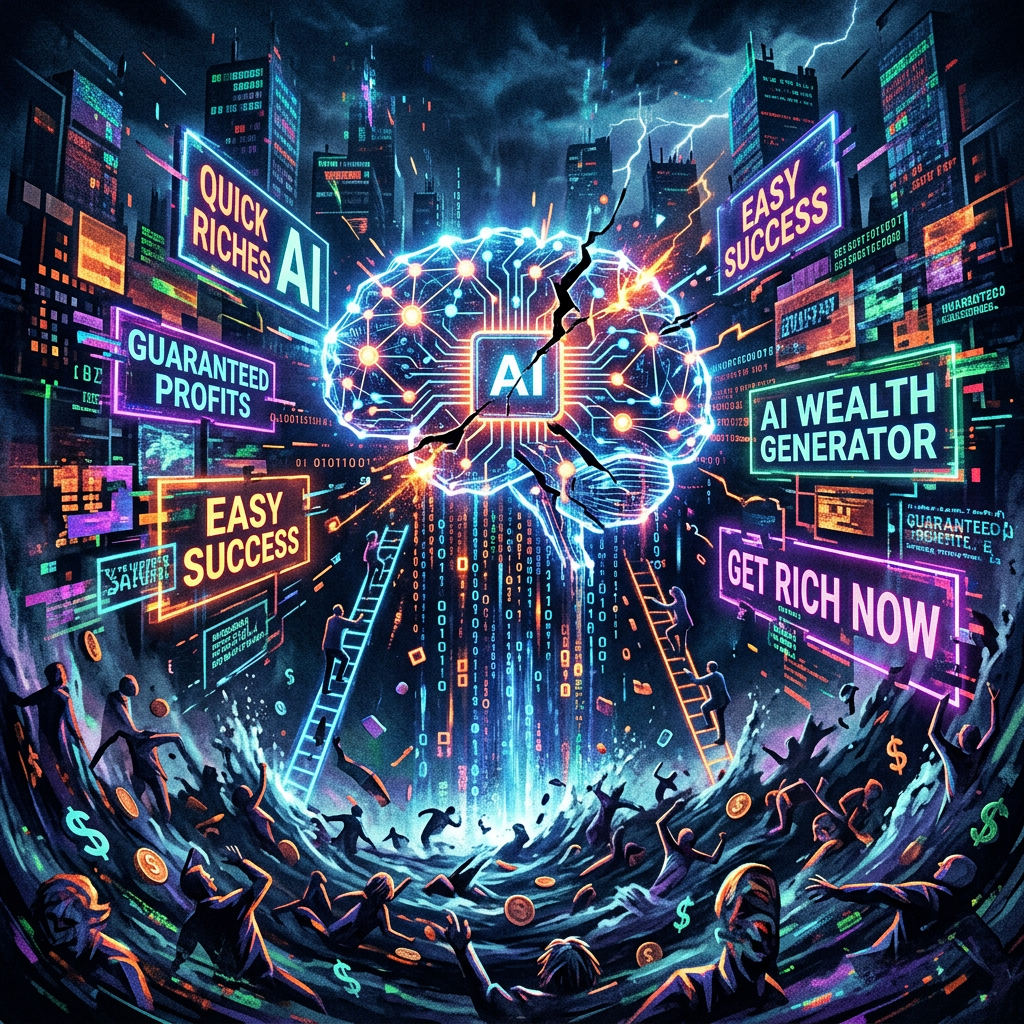
Artificial Intelligence, Genuine Bullshine: Why LinkedIn’s ‘Self-Driving Labs’ Can Swerve Into a Ditch
Martyn Rhisiart Jones
May 15, 2026
DATA CRISIS: Lessons from San Isidro’s Wisdom
Martyn Rhisiart Jones
May 12, 2026
HOW NOT TO: Exposing the Corporate Grift: AI and Entry-Level Jobs
Martyn Rhisiart Jones
May 10, 2026
HOW NOT TO: Why Bernie Bumper-Book’s Predictions Failed: A Critical Review
Martyn Rhisiart Jones
May 10, 2026
HOW NOT TO: The Dawn of the Digital Parasite
Martyn Rhisiart Jones
May 9, 2026
HOW NOT TO: The Silicon Rapture: Reed Hollowman on Why You Should Stop Worrying and Love the Bot
Martyn Rhisiart Jones
May 9, 2026
HOW NOT TO: The Vacuum of Thought: Why AI-Powered Orbital Synergy is the Ultimate Catalyst for Your Synergy’s Synergy
Martyn Rhisiart Jones
May 8, 2026
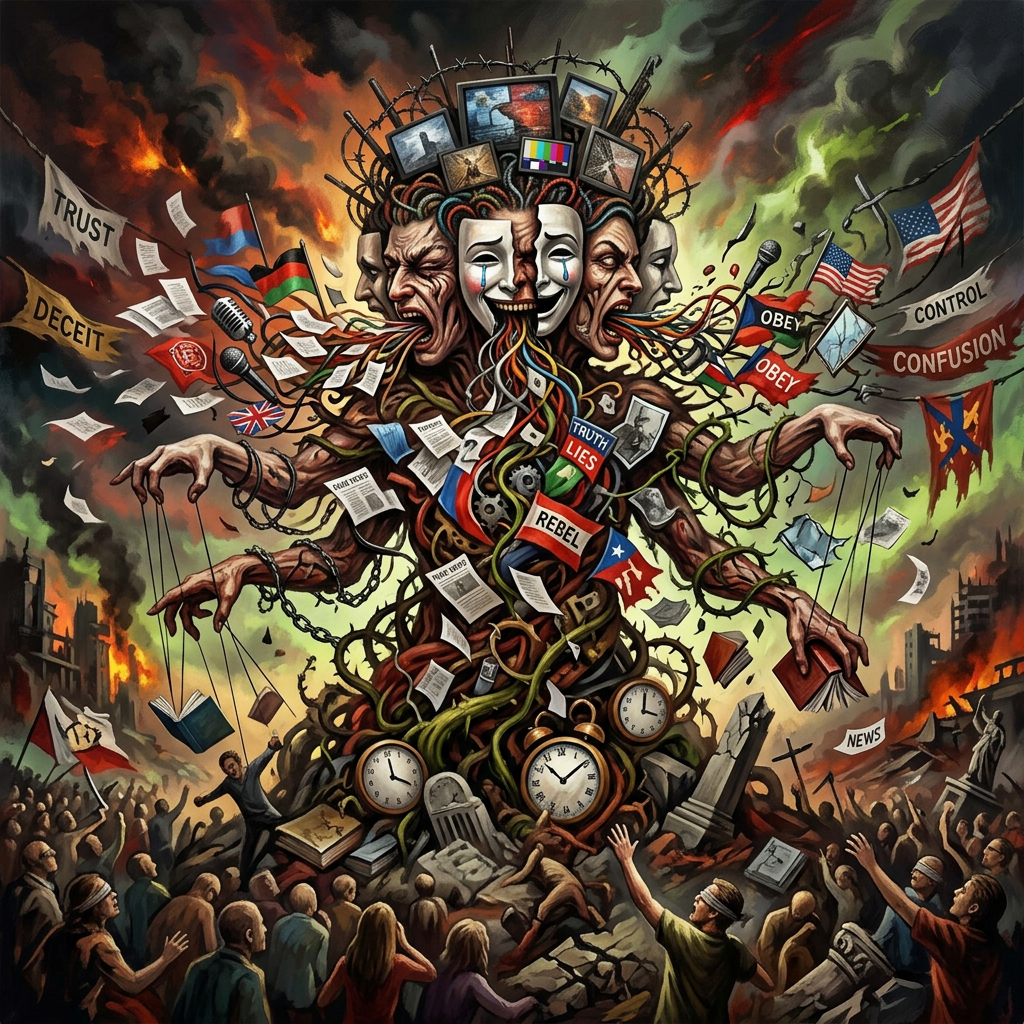
EXPLAIN THIS: The Great Digital Lobotomy
Martyn Rhisiart Jones
May 6, 2026
EXPLAIN THIS: THE SEMIOTICS OF THE ABYSS
Martyn Rhisiart Jones
May 6, 2026
HOW NOT TO: Why Every CEO Needs a ‘VoidLogic’ Strategy
Martyn Rhisiart Jones
May 5, 2026
CONSIDER THIS: Decoding the Vibe Coders: The Illusion of Tech Knowledge
Martyn Rhisiart Jones
May 3, 2026
CONSIDER THIS: The Prompt-Engineered: Prophet: Banal Merde and the Great AI Career Protection Racket
Martyn Rhisiart Jones
May 2, 2026
SATURDAY GIG: The Great Transformation Race – 2026/05/02
Martyn Rhisiart Jones
May 1, 2026
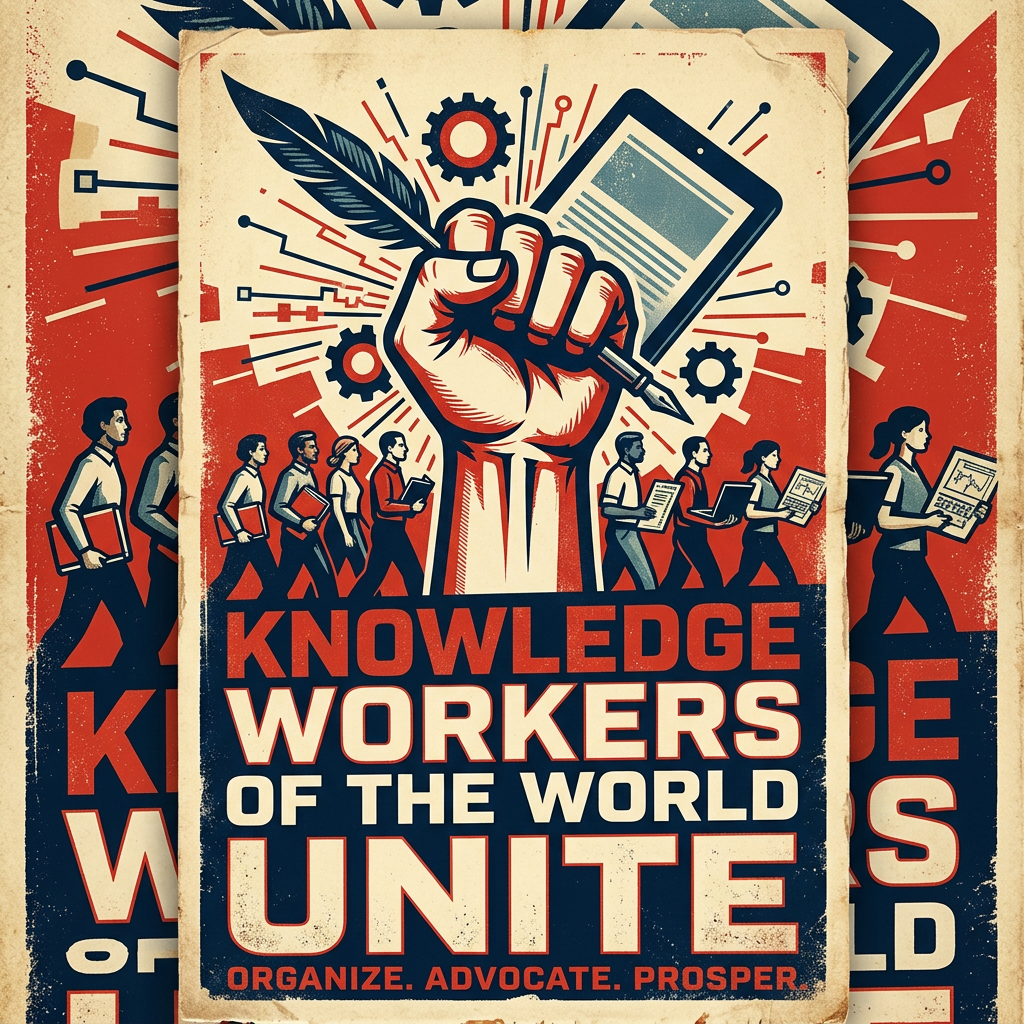
Reclaiming May Day: The New Knowledge Economy
Martyn Rhisiart Jones
April 29, 2026
HOW NOT TO: Embrace the AI Swarm: Your Business’s Digital Survival Guide
Martyn Rhisiart Jones
April 26, 2026
2026 TRENDS: Transforming Finance with AI and Tokenisation
Martyn Rhisiart Jones
April 23, 2026
CONSIDER THIS: Is the Cognitive Engine a Real Threat or Just Hype?
Martyn Rhisiart Jones
April 9, 2026
CONSIDER THIS: LinkedIn – 2026/04/09
Martyn Rhisiart Jones
Previous Page
1
2
3
4
…
22
Next Page
Archives
Health
.
Fashion
.
Food
.
Shopping
.
Events
.
Fiction
.
Travel
.
Japan
.
Education
.
Loading Comments...
Write a Comment...
Email (Required)
Name (Required)
Website